
Design culture
The return to material: why we want to touch interiors again
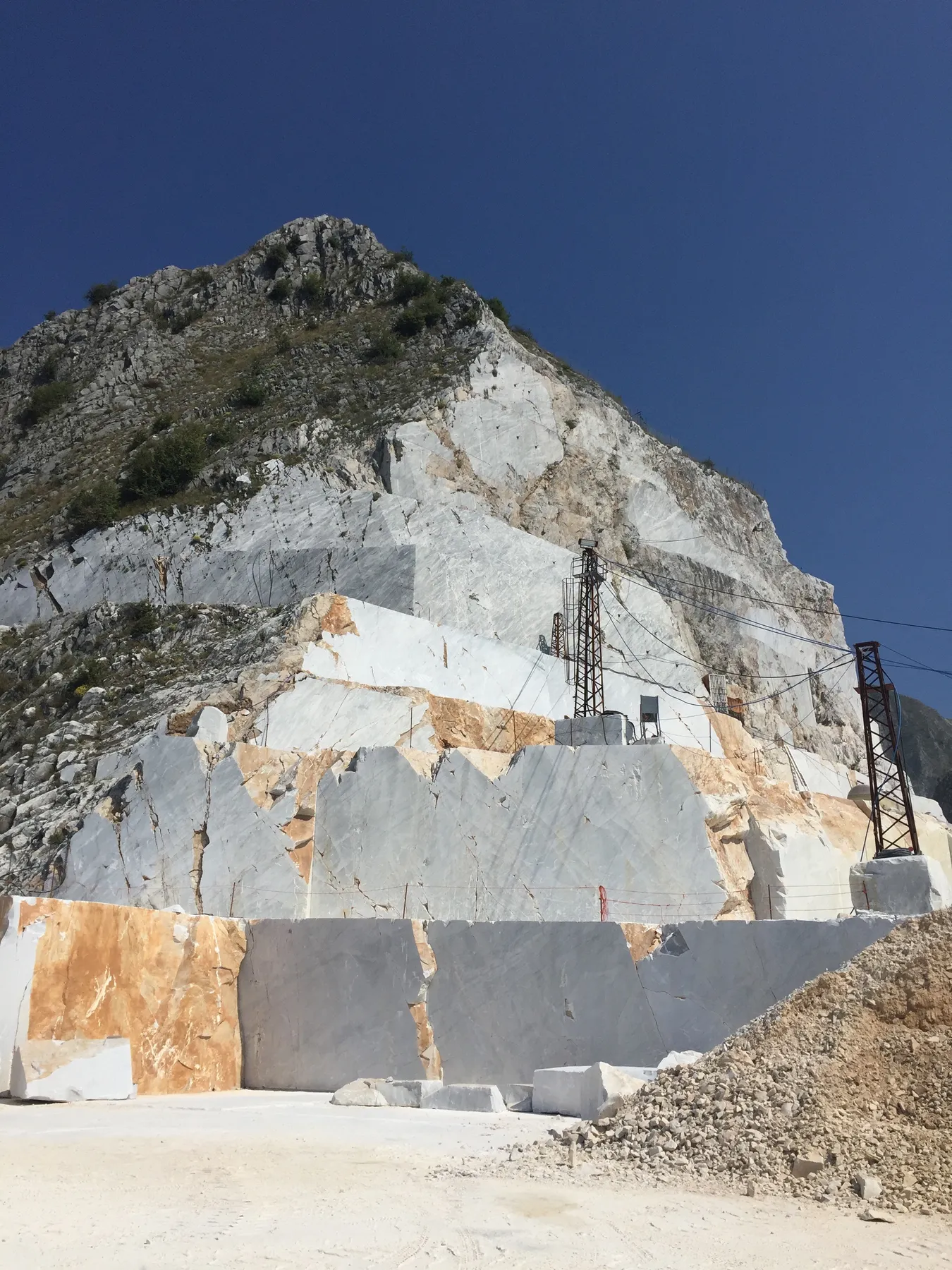
At the latest Salone del Mobile in Milan, observers agreed on one thing: the protagonist of the year was material. Stone, wood, dense textiles, ceramics with honest texture, surfaces that ask to be touched. After several seasons of smooth, photogenic interiors, this looks like a turn. The more interesting question is why it is happening now.
The interior made for the screen
Over the past decade interiors were designed with an eye on the camera. Even light, a contrasting palette, a striking angle: everything that reads well in a feed. In that logic material is secondary; what matters is how a surface looks in the shot, not how it feels under the hand or how it will behave in ten years. The turn to texture is, among other things, a fatigue with space addressed to the viewer rather than to the resident.
Tactility is honesty
Real stone, solid wood, undyed wool announce themselves through touch before sight. They are hard to fake and impossible to perform in a photograph. That is why the return to material reads as a demand for authenticity: a surface that does not pretend ages as patina rather than wear, and does not ask to be replaced at the first change of fashion. Salone showed not so much a new aesthetic as a change of criterion, from 'how it looks' to 'what it is made of'.
What MORO DESIGN sees here
For us material has never been the finish at the end of a project. It is one of the early decisions, tied to budget, technique and how the space will pass through the years. Choosing stone or wood sets not an image but the behaviour of a surface over time: maintenance, repairability, the feel under the hand. The fashion for tactility will pass, as every fashion does. But the habit of asking 'of what and why', rather than 'is it fashionable', belongs to a design culture that outlives fashion.
The tactile turn is easy to mistake for one more trend and to swap next season. What makes it lasting is not the material itself but the question it brings back into the project: will this surface withstand time and life. That question is not answered on the photoshoot, but at the decision stage.