
Methodology
The project before realization
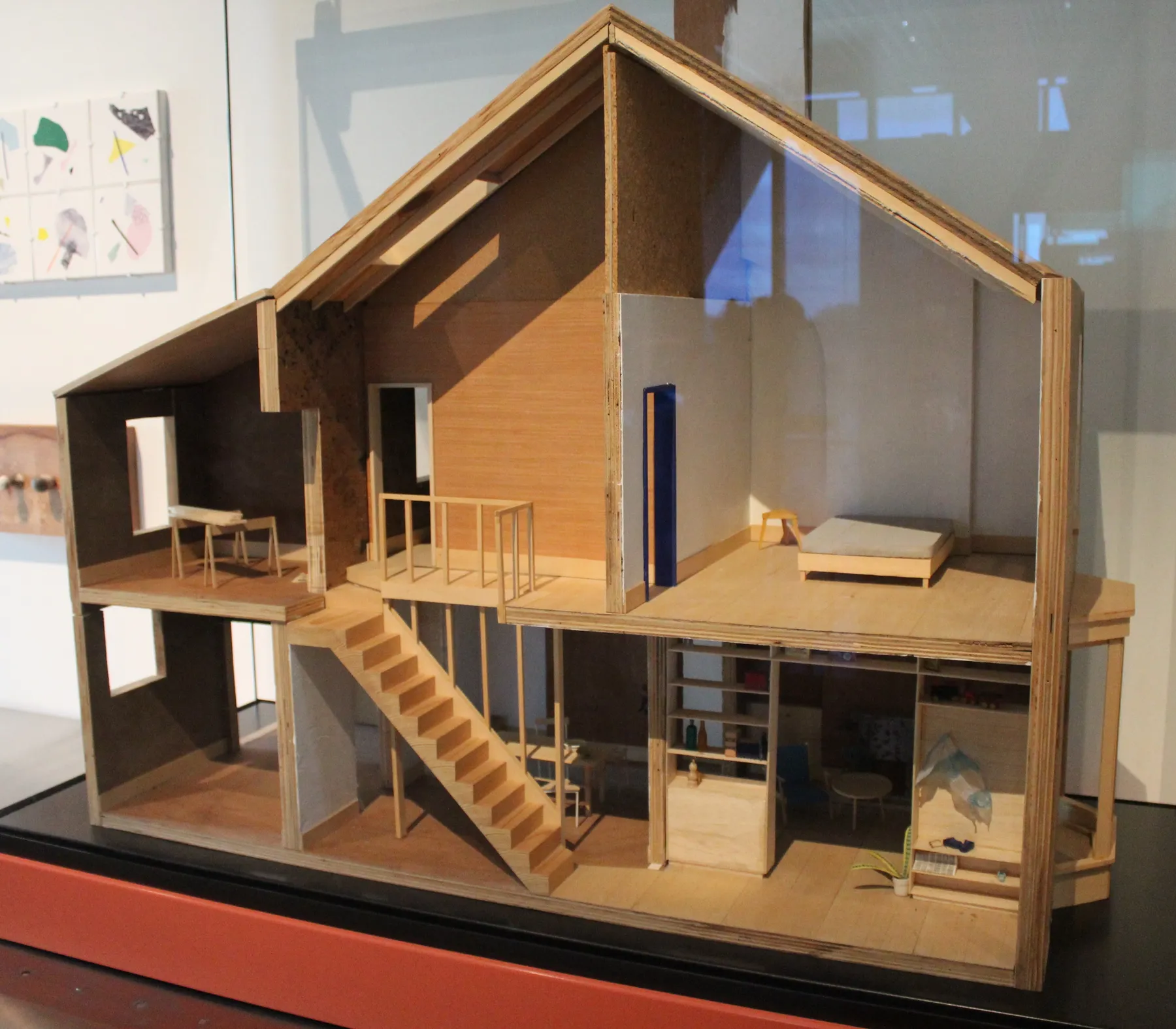
Almost every conversation about a future home begins with a picture. The client shows saved photographs, names a style, describes a mood. That is a good start, yet a picture is not a project. Between the image of a room and the built space lies work that references rarely show: turning a wish into a set of decisions that do not contradict one another.
An idea is not yet a project
An idea comes before the project and almost always arrives unfinished: a wish, an image, a need, a property. The first professional task is not to draw but to understand that idea and define it precisely. What the person actually wants, how they intend to live in the space, which constraints are already set. Until the idea is defined, any handsome render remains a guess.
Three components that define one another
Defining a project rests on three things: concept, budget and technical development. It is convenient to list them in order, but they work differently, as interdependent components. The concept is tested against the budget. The budget makes sense only together with the technical possibilities of the property. The technical solution changes the concept. None of the three comes first in importance; the project appears where the three are consistent with one another.
The project as a structure of decisions
It is convenient to imagine the finished project as an album of drawings and renders. It is more accurate to see it as a structure of decisions made: where the walls run, how light is arranged, which materials and why, what each part will cost. When the decisions form a single system, the client has a full picture of the investment already at the concept stage, not in the middle of construction.
Why it matters before construction
A decision changed on paper costs time. The same decision changed on site costs demolition, rework and lost schedule. The point of the design stage is that most of the difficult questions are asked and closed before the first load of materials arrives. This is not a promise of no difficulties, but a way to meet them while they are still cheap to solve.
Realization looks like the main part of the work because it is visible. But the quality of the built space is set earlier, in the decisions made and coordinated before the first day on site. The project is precisely those decisions. If they are put together honestly, realization becomes their calm consequence.